Shortness of breath, also known as dyspnea, can happen for many different reasons, ranging from mild discomfort to serious medical emergencies. Since it can often be a sign of an underlying health issue, it is important to seek medical attention if the symptom is persistent, sudden, or severe.
Here are some of the most common causes of shortness of breath:
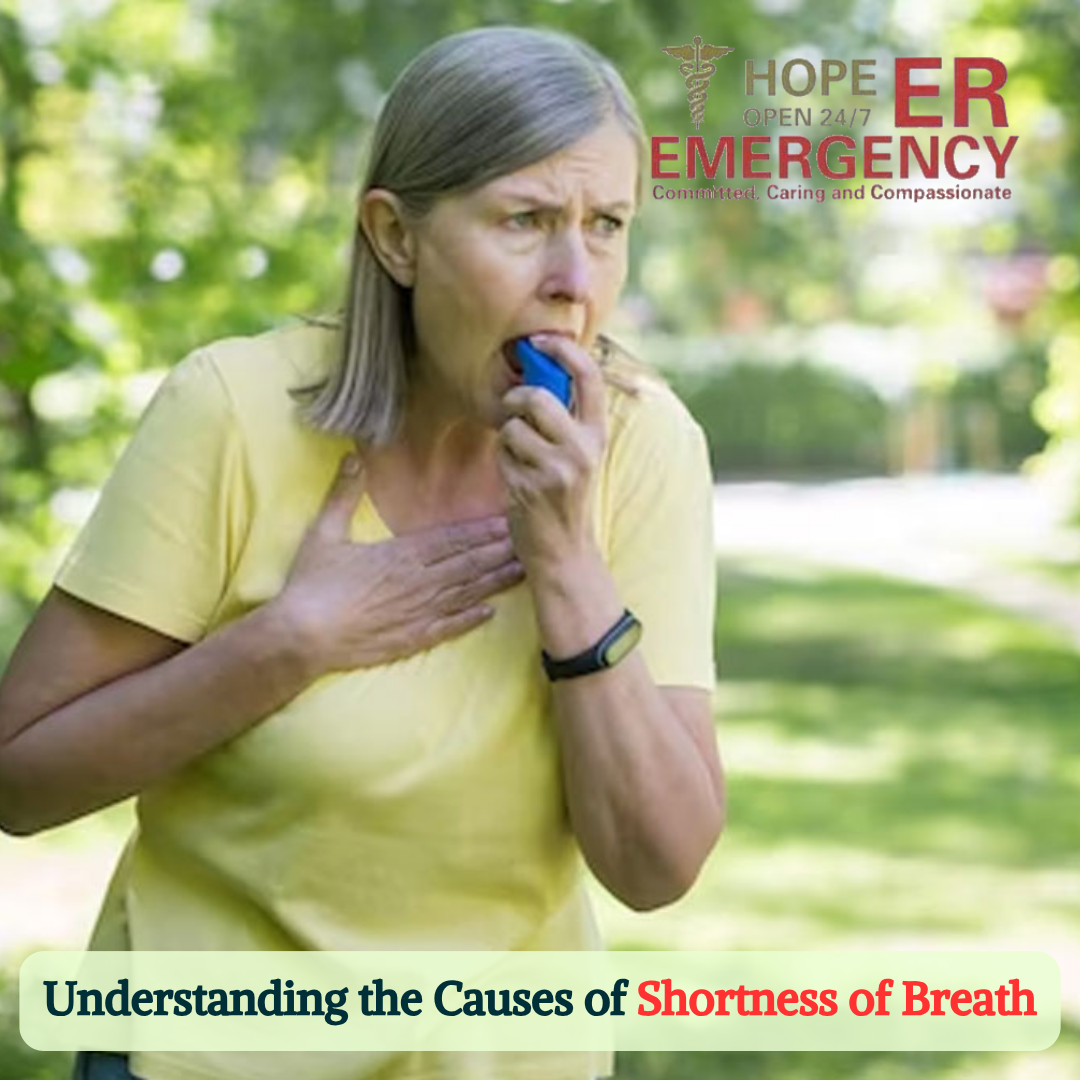
Common Causes of Shortness of Breath
- Respiratory Infections: Illnesses such as pneumonia, bronchitis, and other respiratory infections can make breathing difficult.
- Allergies: Allergic reactions, especially those affecting the lungs or airways, may lead to breathing problems.
- Asthma: A chronic condition that causes airway inflammation and narrowing, often resulting in wheezing and shortness of breath.
- Chronic Obstructive Pulmonary Disease (COPD): Conditions like chronic bronchitis and emphysema can lead to long-term breathing difficulties.
- Heart Conditions: Heart failure, coronary artery disease, or even a heart attack may cause difficulty breathing.
- Anemia: Low red blood cell levels can reduce oxygen flow in the body, making you feel breathless.
- Obesity: Excess weight can place added pressure on the lungs and make breathing more difficult.
- Pulmonary Embolism: A blood clot in the lungs can cause sudden shortness of breath and chest pain and requires immediate medical attention.
- Pneumothorax: Also known as a collapsed lung, this condition can make breathing suddenly painful and difficult.
- Anxiety and Stress: Panic attacks and emotional stress can sometimes trigger a sensation of breathlessness.
- Environmental Factors: High altitudes, air pollution, and extreme weather can also contribute to breathing discomfort.
- Neuromuscular Conditions: Certain nerve or muscle disorders can interfere with the body’s ability to breathe properly.
- Interstitial Lung Disease: This group of lung disorders causes inflammation and scarring in lung tissue, leading to breathing problems.
- Chest Trauma: Injuries such as rib fractures or lung bruising can affect normal breathing.
What to Do If You Experience Shortness of Breath
No matter what the cause may be, shortness of breath should never be ignored. Prompt medical evaluation is always the safest choice. However, while waiting for medical help or if the symptoms are mild, these steps may provide temporary relief:
Helpful Tips for Mild Shortness of Breath
- Stay Calm: Try not to panic, as anxiety can make breathing more difficult.
- Adjust Your Position: Sit upright or prop yourself up with pillows if lying down.
- Loosen Tight Clothing: Removing pressure around your chest or neck may help ease breathing.
- Use a Fan: Cool air directed toward your face may help you feel more comfortable.
- Take Slow, Deep Breaths: Inhale gently through your nose and exhale slowly through your mouth.
- Try Pursed-Lip Breathing: Breathe in through your nose for two counts, then exhale slowly through pursed lips for four counts.
- Practice Controlled Breathing Techniques: Techniques like diaphragmatic breathing can help regulate your breathing and reduce discomfort.
Get Immediate Help at Hope ER
If you are searching for an Emergency Room near Lufkin, Texas, Hope ER is here to provide immediate medical attention when you need it most. We are available 24/7, and no prior appointment is needed.
🌐 Visit: www.hopeer911.com
📞 Call us: (936) 899-7243
📍 Address: 2111 East Denman Avenue, Lufkin, TX 75901